
Press office and media accreditation
HostEx Cape welcomes working media covering hospitality trade, foodservice operations and tourism business in Southern Africa. This page sets out how accreditation works, what the press office can arrange on site, and what to send when requesting interviews.
Media access for a trade-only show
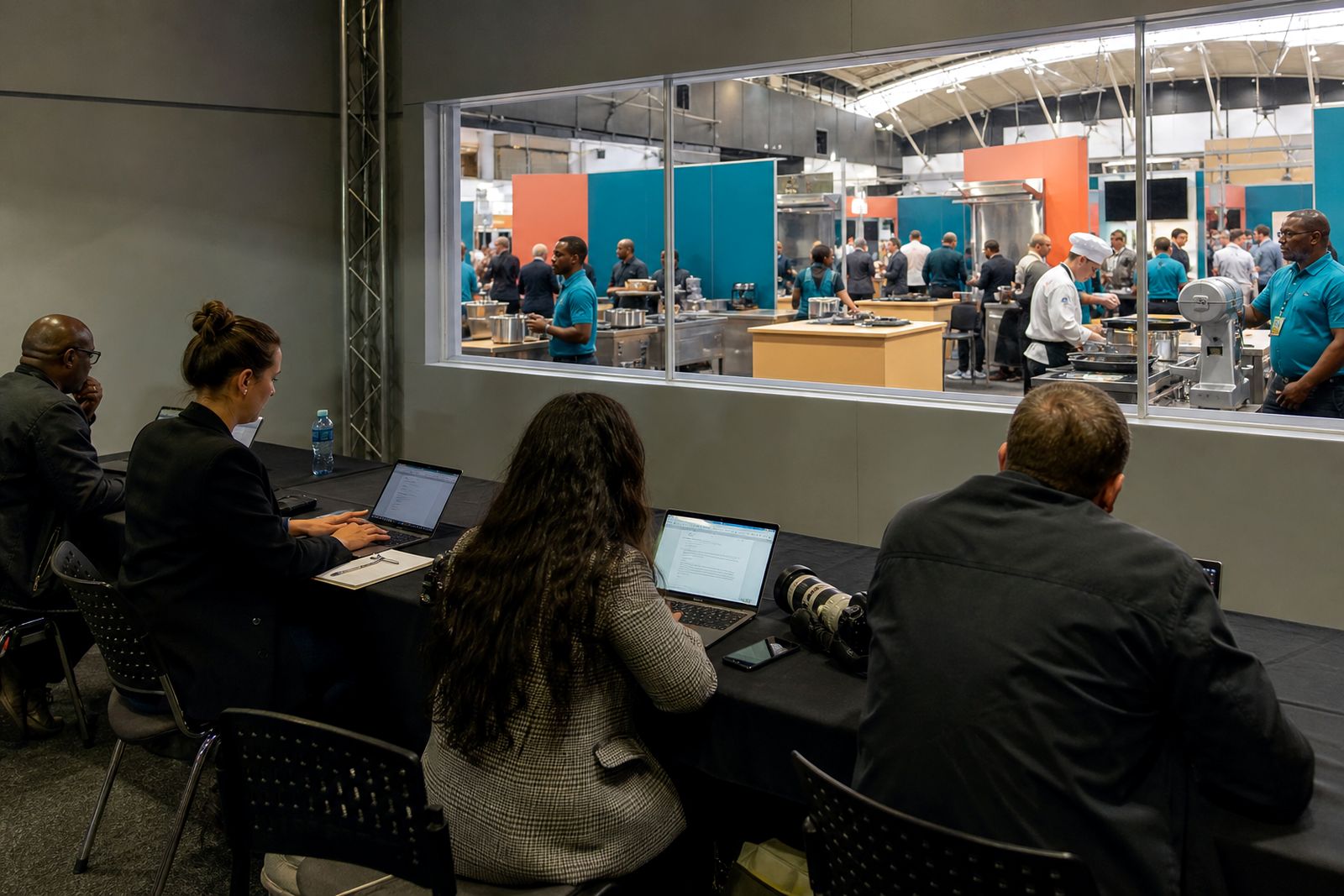
HostEx Cape is a business event for hotels, guest houses, restaurants, caterers and hospitality groups, so media access is managed as accredited trade press rather than public entry. The press office handles applications from editors, staff reporters, freelance journalists on assignment, broadcasters, photographers and trade publication teams whose coverage fits the show floor and programme.
Accreditation is intended for editorial coverage of the expo, its exhibitors and the live programme. It does not cover retail shopping, private filming unrelated to the event, equipment testing, hotel bookings or event catering requests. Where filming affects aisles, demo areas or stand traffic, the press office may allocate a time window so that visitor flow stays workable during busy periods.
- Editorial media for print, digital, radio and television
- Trade magazines and hospitality sector publishers
- Photographers and camera crews on assignment
- Podcast and interview teams with a defined show brief
What the press office provides on site
The press office acts as the working point for accredited media during the expo. That includes access control support, show information, exhibitor category guidance and help with arranging interview slots where exhibitors or speakers have agreed to participate. For journalists covering several product areas in one day, this can save a lot of walking between halls and demo spaces.
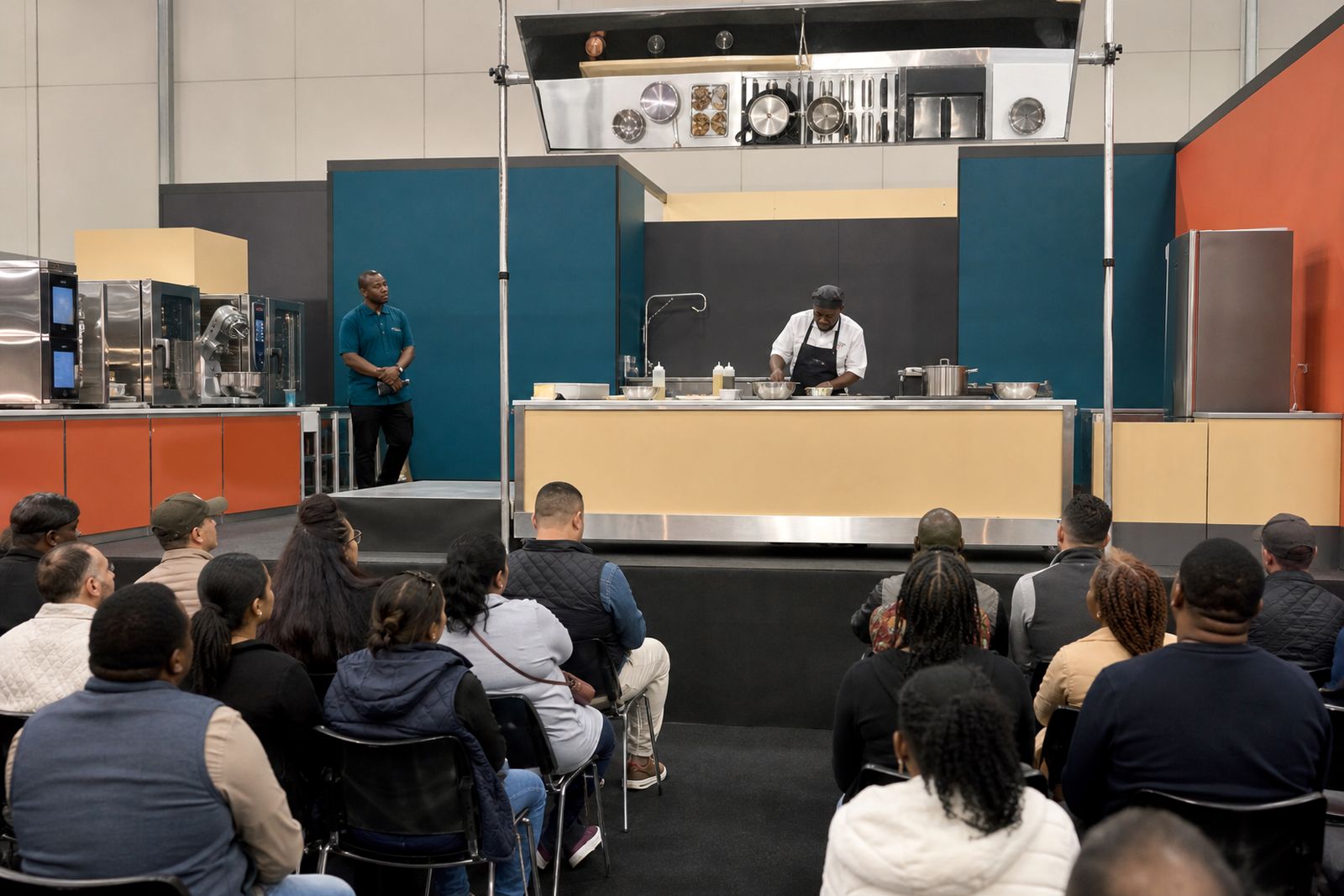
Material available through the press office normally includes exhibitor lists by category, programme notes, approved show facts, venue access guidance and media notices issued ahead of major features. Interview coordination is practical rather than promotional. If an exhibitor wants its own stand team present, or if a chef demo slot needs a fixed camera position, that is arranged around the live running order and hall rules.
- Accreditation collection and media check-in guidance
- Show fact sheets and programme summaries
- Interview requests for exhibitors, speakers and organisers
- Photo and filming guidance for demo areas and aisles
- Direction on loading, access points and venue movement
How accreditation is handled
Applications are submitted through our contact form with enough detail for the press office to assess the assignment properly. A publication name on its own is not enough. We need to see the outlet, your role, the kind of coverage planned and whether you need written interviews, recorded audio, still photography or a camera crew. If you are a freelancer, include the commissioning editor or programme detail so the brief is clear.
Once the request has been reviewed, approved applicants receive the accreditation process and collection instructions for the show. Access remains subject to venue capacity, security controls and the trade-only nature of the event. Extra crew members, assistants and technical operators should be listed in advance rather than added ad hoc on arrival, otherwise access at the hall can get messy.
- Send an application through our contact form
- List outlet, role and assignment scope
- State whether you need photos, filming, interviews or all three
- Add crew names and equipment notes where relevant
- Wait for accreditation guidance from the press office
Interview requests and filming notes
Interview planning works best when requests are specific. Tell us which part of the show you are covering, such as kitchen equipment, tableware, booking systems, coffee service, business talks or chef demos. If you only need a short comment on visitor trends or exhibitor mix, say so. If you need a longer sit-down interview with a speaker or organiser, include your preferred duration and recording format.
Filming and photography are permitted only within the access conditions issued for the event. Camera positions cannot block gangways, emergency routes, stand frontage or service doors. In live theatres and the barista arena, some sessions may have restricted movement once the presentation starts. A tripod may be fine in one area and not in another, so crew notes matter. Drone filming is not part of normal accreditation.
- Name the person, company type or topic you want to cover
- Give your preferred interview format and likely duration
- Note any lighting, sound or camera support needs
- Advise if your crew needs early hall access for setup
What to prepare before you apply
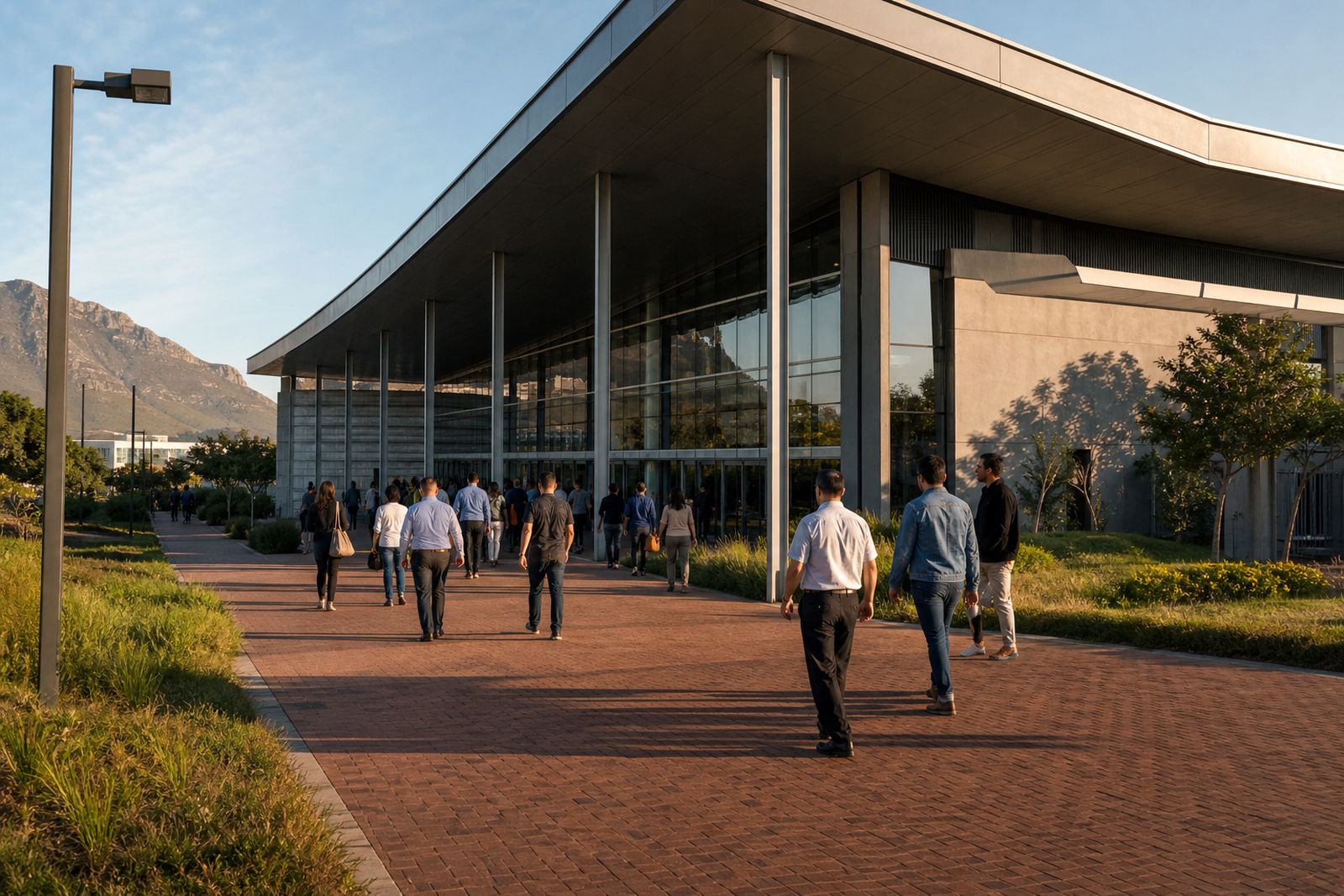
A complete application helps the press office match your request to the running order and venue rules. Bring together your commissioning brief, outlet details and the practical side of the job before you send the form. Cape Town weather can shift quickly and access routes around large venues may change between load-in and open hours, so include anything that affects how your team moves or works on site.
If you plan to cover exhibitors, think in sectors rather than trying to see the whole floor without a plan. Hospitality buyers from the Cape Winelands, the Garden Route and the West Coast often visit with short buying lists, and media crews face the same time pressure. A focused brief gets better access and fewer missed slots.
- Publication or channel name and your editorial role
- Assignment letter or commissioning note if freelance
- Names of all attending crew members
- ID or press card details if requested during accreditation checks
- A shortlist of interview subjects or show zones
- Equipment list for filming, audio or stills
Costs, usage and support after the show
Standard editorial accreditation does not work like a public ticket purchase, and access terms are issued according to the assignment and media need. Where a larger activation is proposed, such as extended filming, a sponsored content crew, private production setup or special access outside normal media handling, the cost basis is considered case by case. Venue restrictions, staffing, security requirements and whether the request sits within editorial coverage all affect how that is worked out.
After the expo, the press office can assist with final fact checks about the event scope, programme references and basic show description for published pieces. It can also direct media to approved post-show images or official statements where these have been prepared. It does not rewrite articles, approve editorial opinion or release private exhibitor data. For new media requests linked to future coverage, use our contact form with the publication and brief.
What our Hospitality customers say
Verified Google reviews
Questions we get asked
Can content creators apply for media access?
Applications are assessed on editorial value and relevance to hospitality trade coverage. A clear brief, publishing platform and planned show coverage are more useful than follower counts on their own.
Can the press office guarantee an interview with a specific exhibitor or speaker?
No. The press office can request and coordinate interview slots, but availability depends on live programme timings, exhibitor consent and hall activity during the show.
May a photographer attend with a journalist under one accreditation?
List each person who needs access, including photographers, camera operators and producers. Media entry is issued per person so the venue team can manage access properly.
Also worth a look
Tell us about the job
Send sizes, materials and where you are through our contact form, and we will come back with the practical options.
Open the contact form