

Exhibit at HostEx Cape
HostEx Cape brings hospitality buyers and operating teams together in Cape Town for focused trade sourcing. This page gives exhibitors a clear view of who attends, what a stand can achieve and where to start with booking plans.
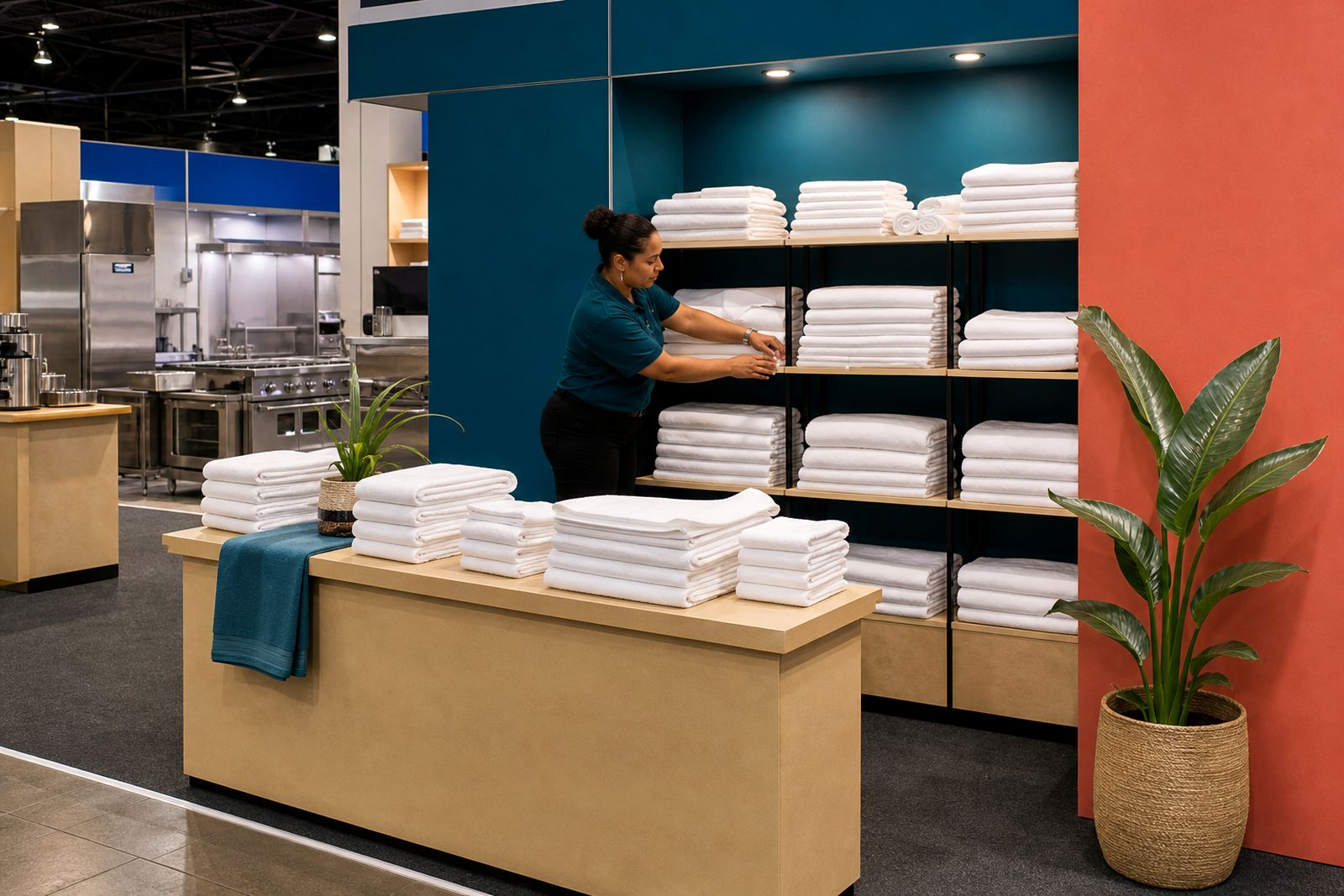
A trade floor built for hospitality buying
HostEx Cape is arranged for businesses that sell into hotels, guest houses, restaurants and catering operations. Buyers arrive looking for workable products and services they can compare in one hall, from kitchen equipment and tableware to linen, food and beverage ranges, booking systems and furniture. The programme adds live chef demos, a barista arena and business talks, which keeps foot traffic moving through the day and draws visitors with an active buying brief.
For exhibitors this page is the starting point before stand selection. It helps you match your offer to the audience, decide how much space you need and plan the basics around staffing, stock samples, demonstrations and printed material. Detailed stand formats, floor positions and exhibitor instructions sit on the pages linked from this section.
Who you can expect to meet at the show
The visitor mix usually includes owners, operators, chefs, food and beverage managers, housekeeping teams, procurement staff and hospitality group decision makers. Cape Town is the base, but the show also draws trade visitors from the Cape Winelands, the Garden Route, the West Coast and multi-site businesses from elsewhere in South Africa. That spread matters if your range serves both independent venues and larger buying groups.
- Hotels comparing equipment, room goods, service items and operating systems.
- Guest houses looking for practical buying across linen, furniture, coffee service and front-of-house basics.
- Restaurants reviewing kitchen production, table presentation, menu support items and beverage tools.
- Caterers sourcing prep equipment, transport items, disposables and back-of-house workflow products.
Choosing the stand format that suits your range
Not every exhibitor needs the same footprint. A compact stand can work well for software, booking systems, packaged goods or a tightly edited product line. A larger stand is usually easier if you need room for equipment display, tasting counters, seating or live preparation. Think about how your team sells in real conversations. If the product needs side-by-side comparison or a hands-on demo, extra metres make the discussion more useful.
- Compact stands suit brochure-led ranges, service platforms and products shown from shelves or screens.
- Mid-size stands suit mixed displays where visitors need a counter, sample points and one or two meeting spots.
- Larger stands suit equipment showcases, hospitality furniture layouts and active food or coffee demonstrations.
If you are uncertain between two sizes, start by listing what must physically fit on the stand rather than what would be nice to have. Machines, tables, storage, tasting points and staff standing room add up quickly.
A practical comparison before you book
A useful booking decision usually comes down to three things: how much kit must be on the stand, how long each visitor conversation runs and whether your team needs private meeting space. Use this quick comparison before moving to the stand options and floor plan page.
- Short sales conversations and light samples: smaller stand space is often enough.
- Frequent technical questions and product walk-throughs: allow more frontage so visitors can stop without blocking access.
- Live preparation, brewing or side-by-side tastings: plan extra metres for safe working room and queue space.
- Multiple product categories in one booking: choose a layout that lets buyers understand the range in sections.
- Distributor meetings or group buyers with schedules: add a table area so those chats do not spill into the aisle.
Cape Town trade shows can feel busy from opening time, and a cramped layout makes good leads harder to handle. It is worth being honest about traffic flow early, even if that means cutting the product count and showing only the lines with strongest hospitality demand.
Planning the booking and the work around it
Once the stand size is roughly clear, the next step is the working plan around the show. That includes your display concept, the team roster, samples, branding panels and any activity tied to the programme. Exhibitors with chef-facing ranges often align their messaging with the chef demo theatre, while coffee equipment and beverage teams may shape stand activity around the barista arena audience. Others use the business talks as a draw for owners and managers who are reviewing operating costs or software.
This section of the site breaks that planning into manageable parts. You can move from stand options to the exhibitor manual, then to marketing your stand and accommodation notes for travelling teams. If you want to discuss where your offer fits on the floor, send the outline through our contact form and include the product category, stand goals and preferred footprint.
Pages in this exhibitor section
The exhibitor pages are arranged to help you move from broad planning to practical detail without guesswork.
- Stand options and floor plan for stand types, hall layout guidance and space comparisons.
- Exhibitor manual for build rules, access procedures and operational notes for the show floor.
- Marketing your stand for pre-show promotion, invitations and on-stand visitor draw ideas.
- Exhibitor accommodation for travel planning if your team is arriving from outside Cape Town.
If your stand is still at idea stage, the planning guide in the wider site can help narrow the brief before you book space. Keep the first outline practical, not polished. Product category, space estimate and any demo needs are enough to begin the conversation.
Explore the range
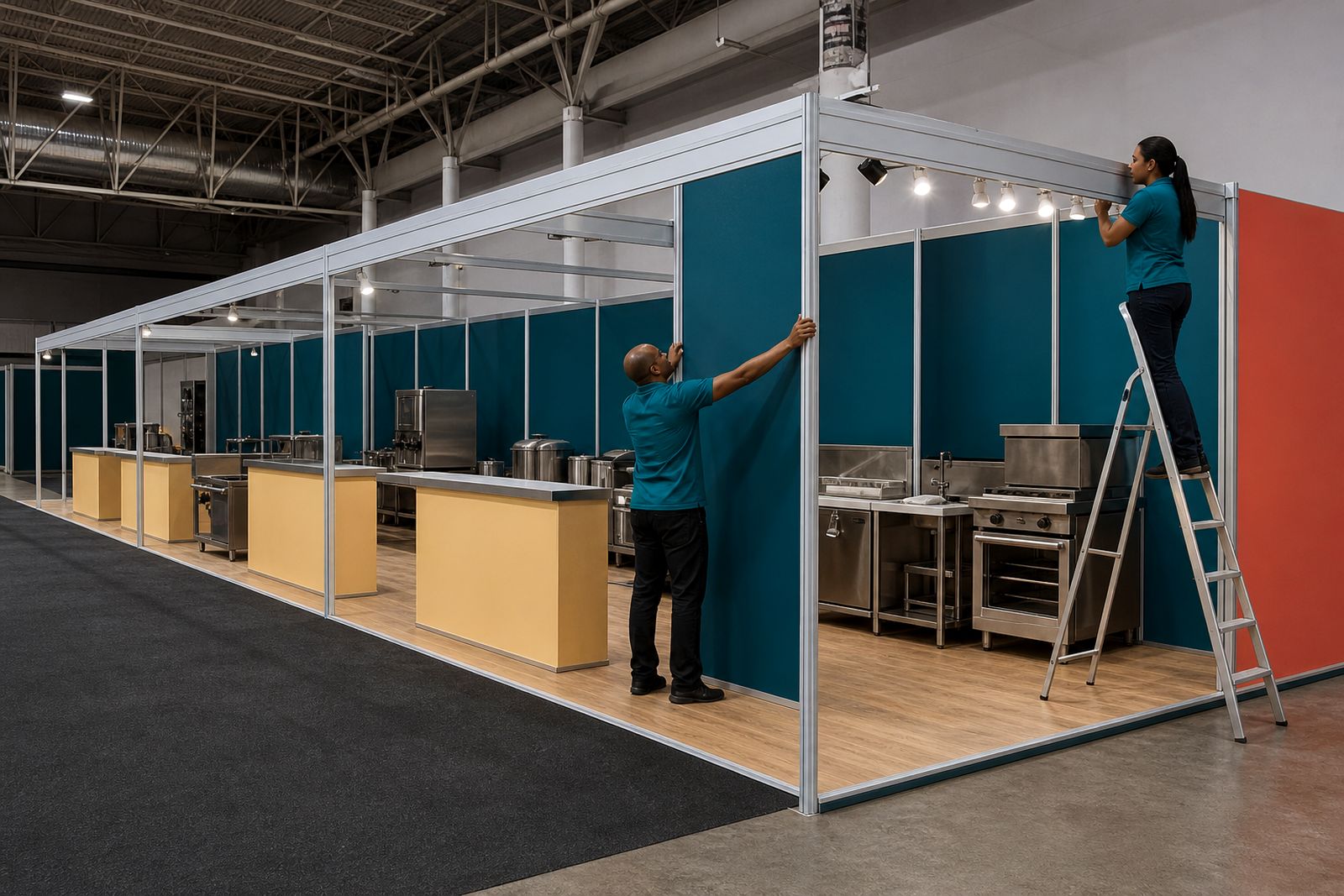
Stand options and floor plan
Compare stand formats, inclusion levels and floor allocation notes before you book your place at HostEx Cape.
Read more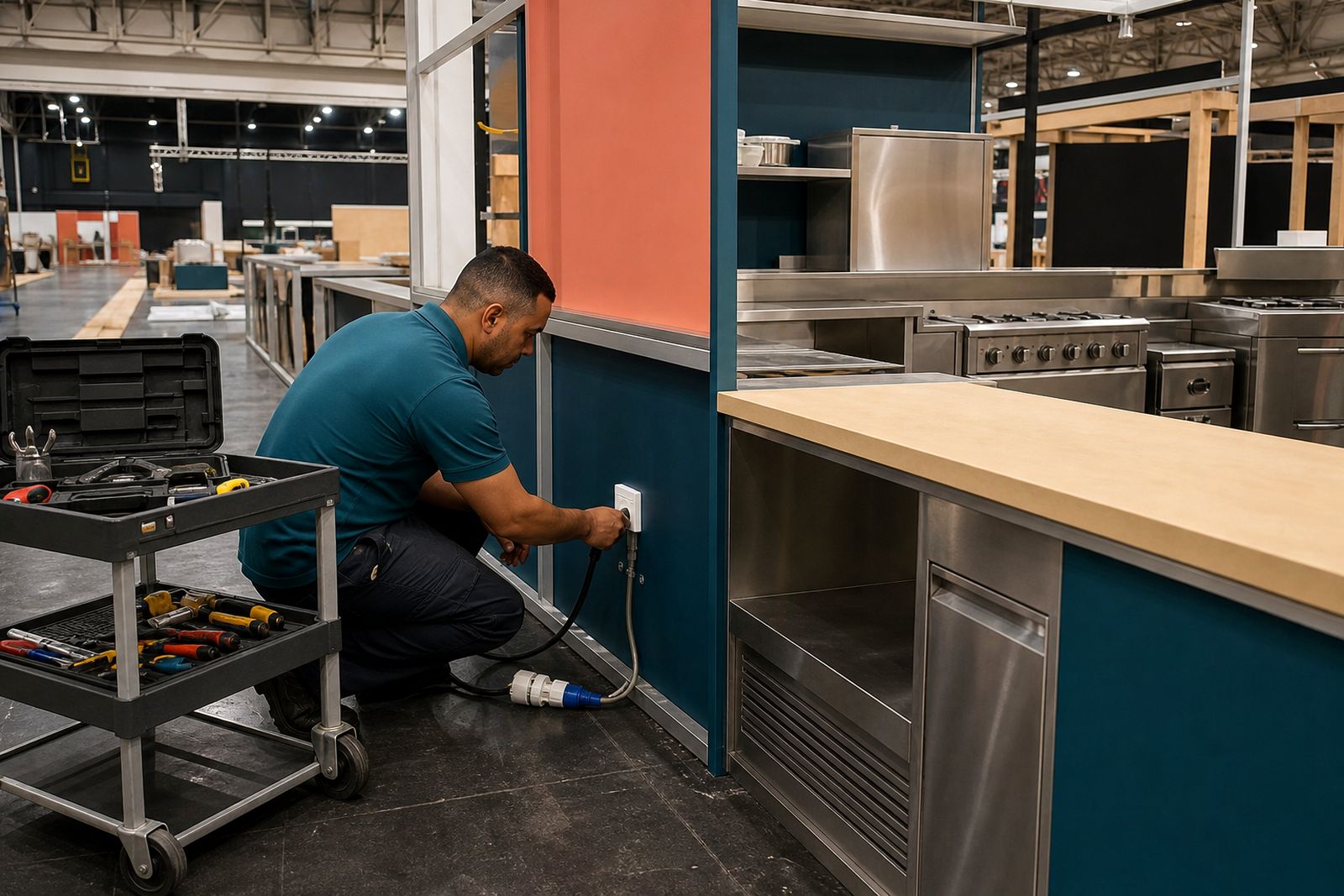
Exhibitor manual
Practical stand rules for deliveries, services, storage, sampling and safe build-up inside the venue hall.
Read more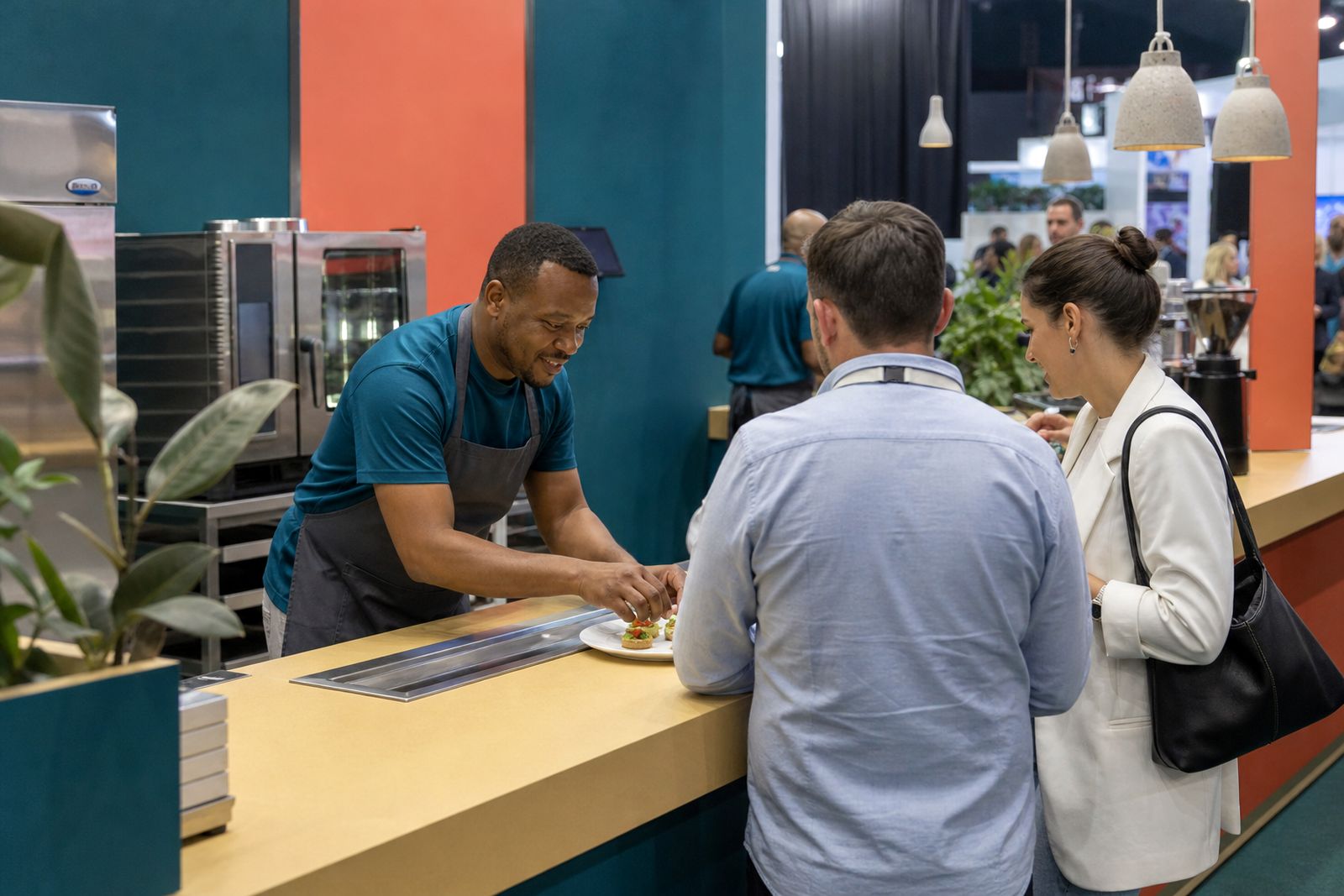
Marketing your stand
Make your stand easier to notice, easier to visit and easier to follow up after the show.
Read more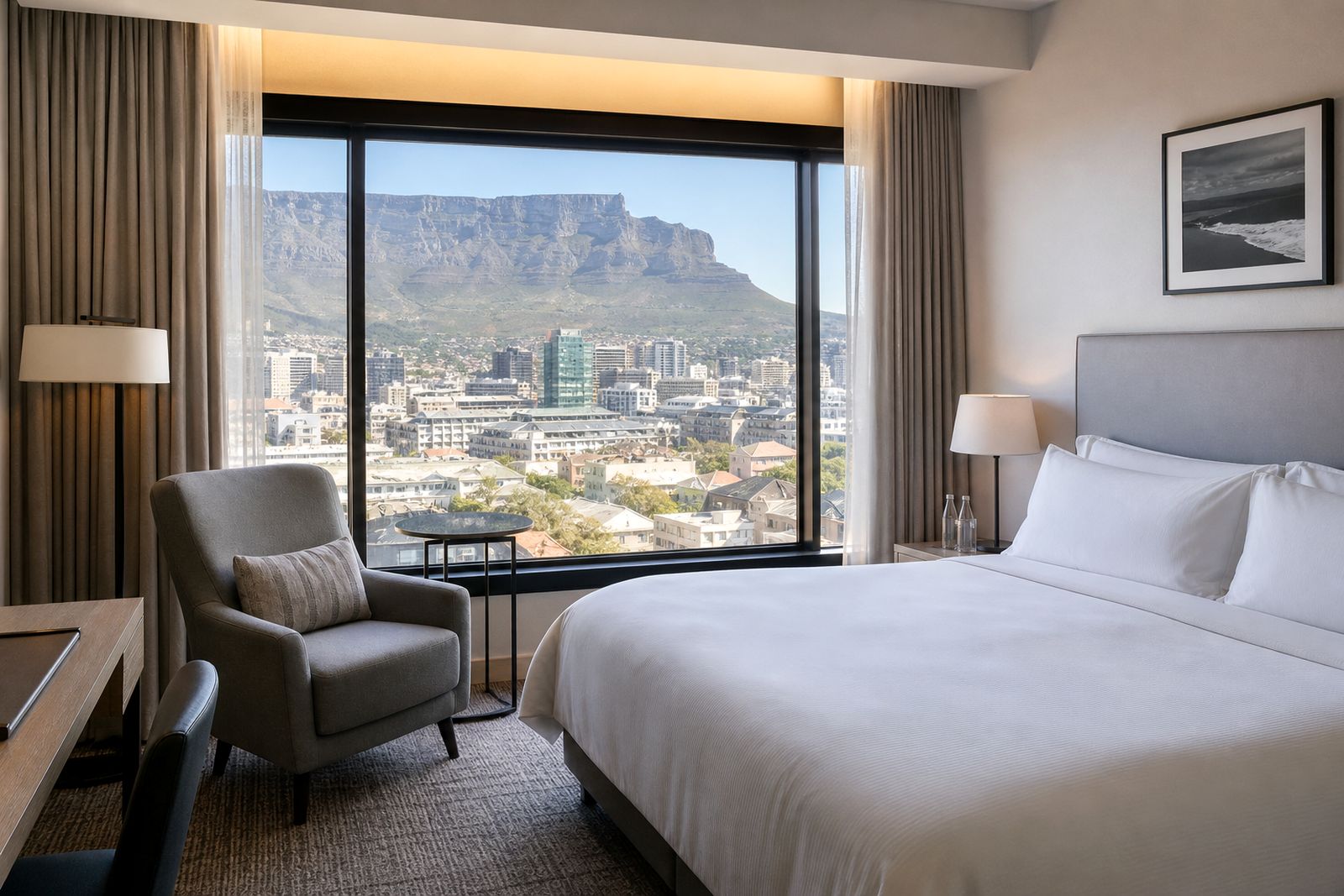
Exhibitor accommodation
Room nights, crew travel and practical timing notes for exhibitors working a Cape Town show floor.
Read more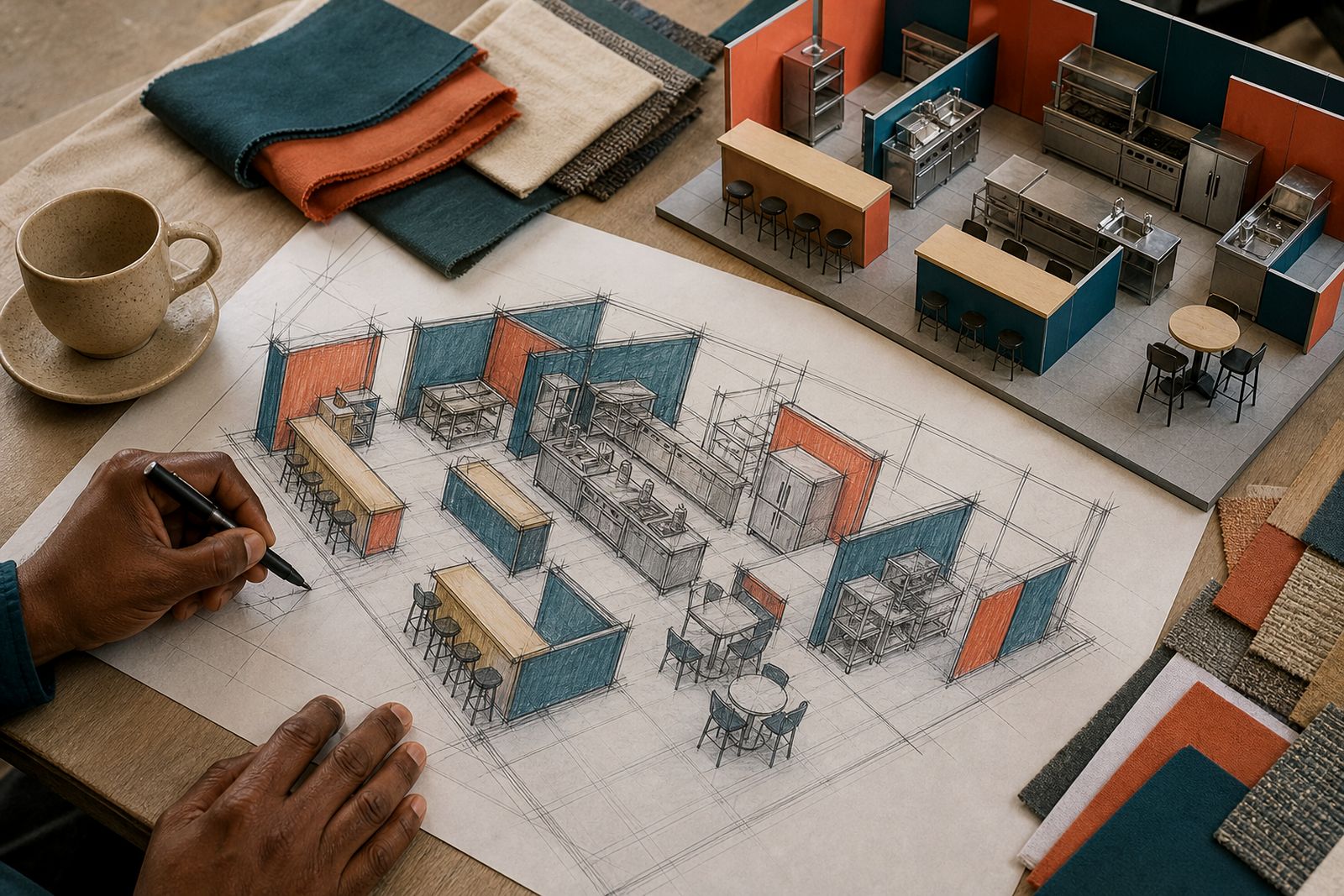
Planning a hospitality expo stand
A grounded guide to stand planning for hospitality exhibitors who want better buyer conversations on the show floor.
Read moreWhat our Hospitality customers say
Verified Google reviews
Questions we get asked
Can we book a stand if we sell services rather than physical products?
Yes. Booking systems, hospitality software, training services and other trade services can exhibit if the offer is relevant to hotels, guest houses, restaurants or caterers.
Do exhibitors receive venue details and hall information?
Yes. Confirmed venue arrangements and hall plan information are issued to registered exhibitors through the show process.
Is this page where we register trade visitors?
No. Visitor registration sits in the visitor section of the site. This exhibitor hub is for companies planning a stand and the pages that support that booking.
Tell us about the job
Send sizes, materials and where you are through our contact form, and we will come back with the practical options.
Open the contact form