

Hospitality business talks
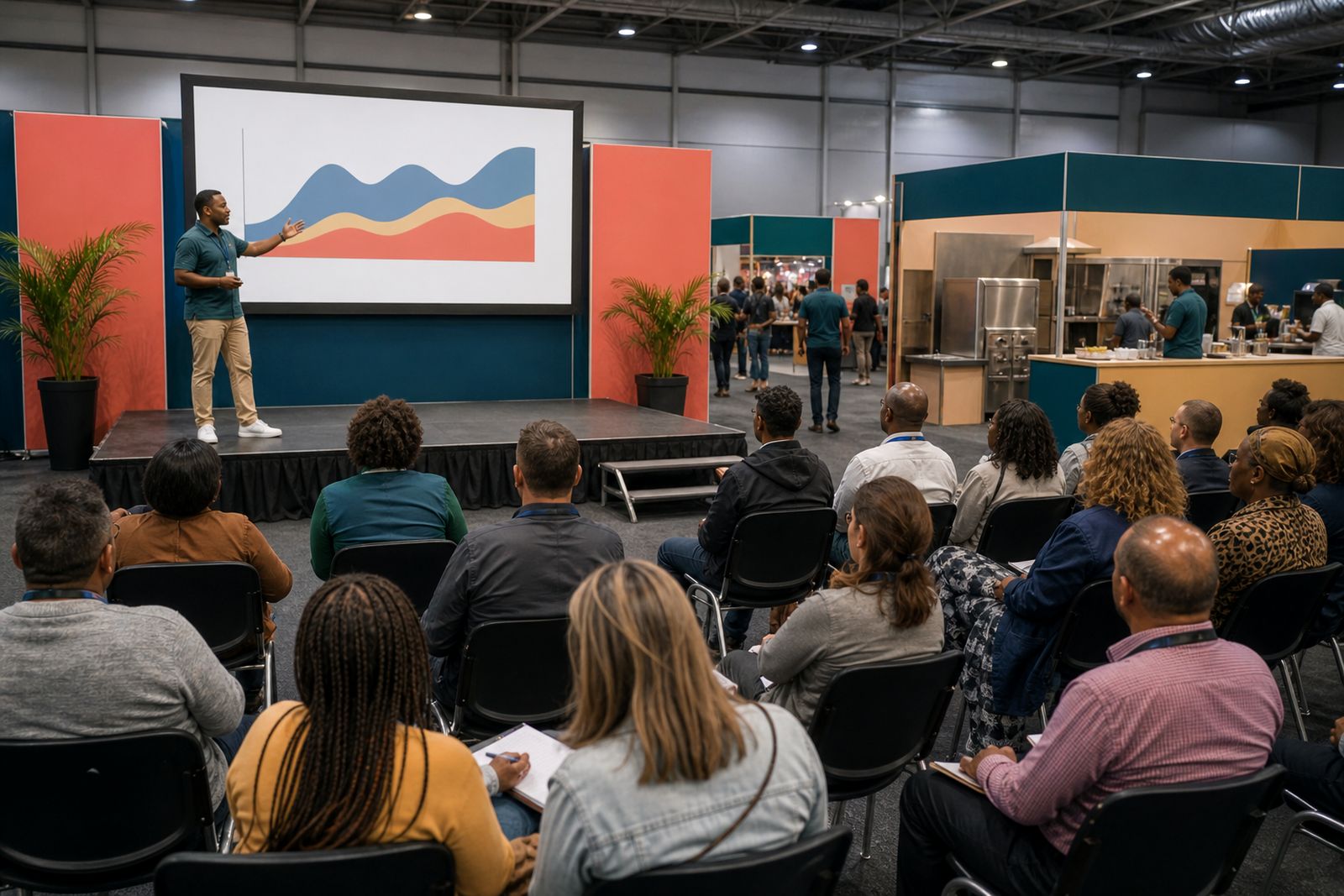
The business talks programme gives trade visitors a practical run through of day to day hospitality decisions that affect margin, staffing and guest experience. Sessions are short, trade focused and built for owners, managers and buyers who need useful detail rather than stage noise.
What the business talks cover
These sessions sit inside the wider show programme and focus on the working side of hospitality operations. Topics are chosen for people running hotels, guest houses, restaurants, caterers and multi site groups, with attention given to South African trading conditions such as seasonal demand in the Cape, wage pressure, utility costs and booking patterns across direct and third party channels.
The programme usually mixes short solo talks, chaired discussions and practical panels. Visitors can move between the expo floor and the talks area during the day, so the format stays compact and direct. You will not find long keynote slots here, the better sessions are the ones that solve a real operating problem in twenty or thirty minutes.
- Staffing, rostering and training for front and back of house teams
- Food cost control, menu engineering and waste reduction
- Booking systems, channel mix and rate discipline
- Guest reviews, service recovery and repeat custom
- Procurement planning for linen, equipment, beverages and smallwares
- Cash flow pressure points across high and low season
What is included in the programme
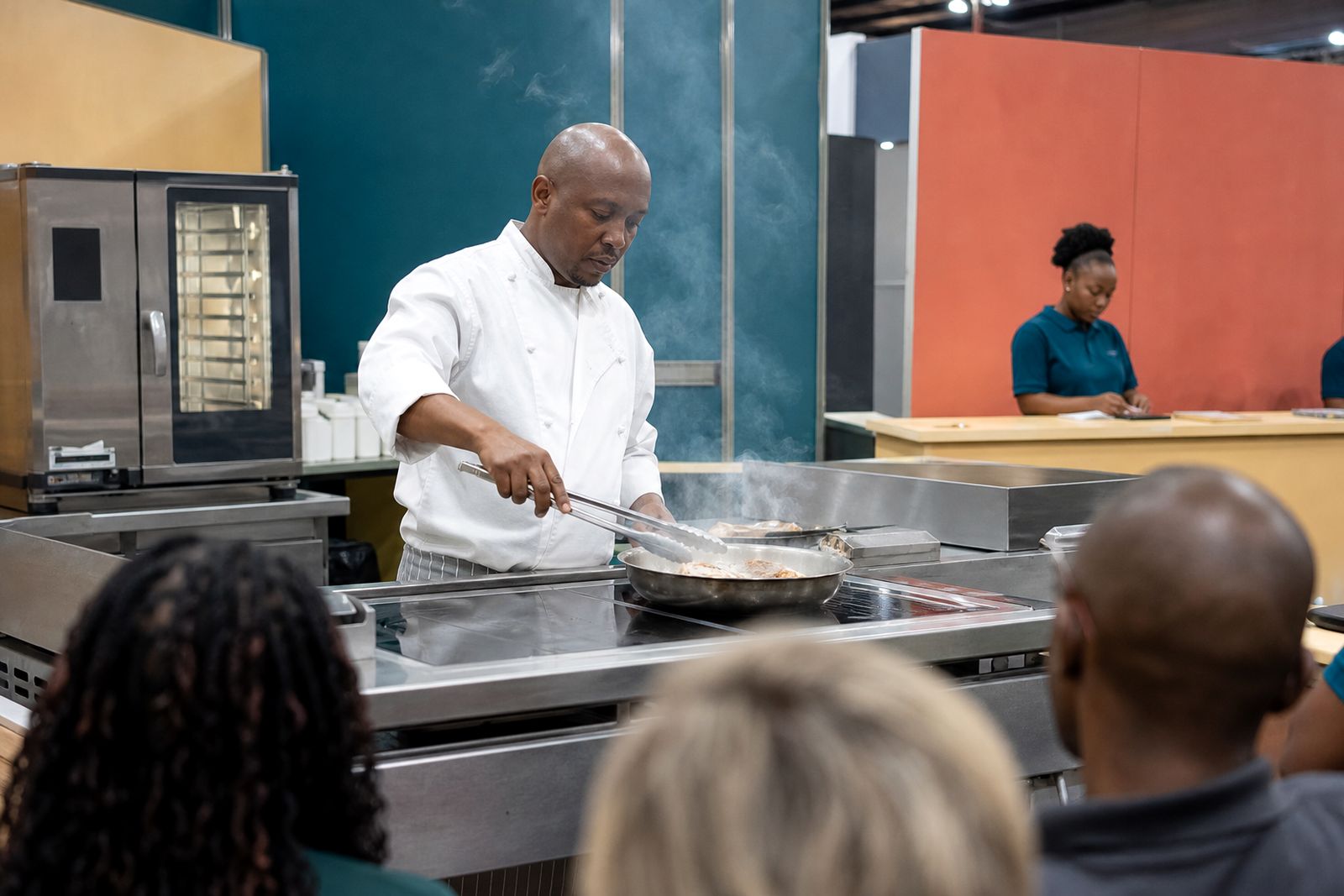
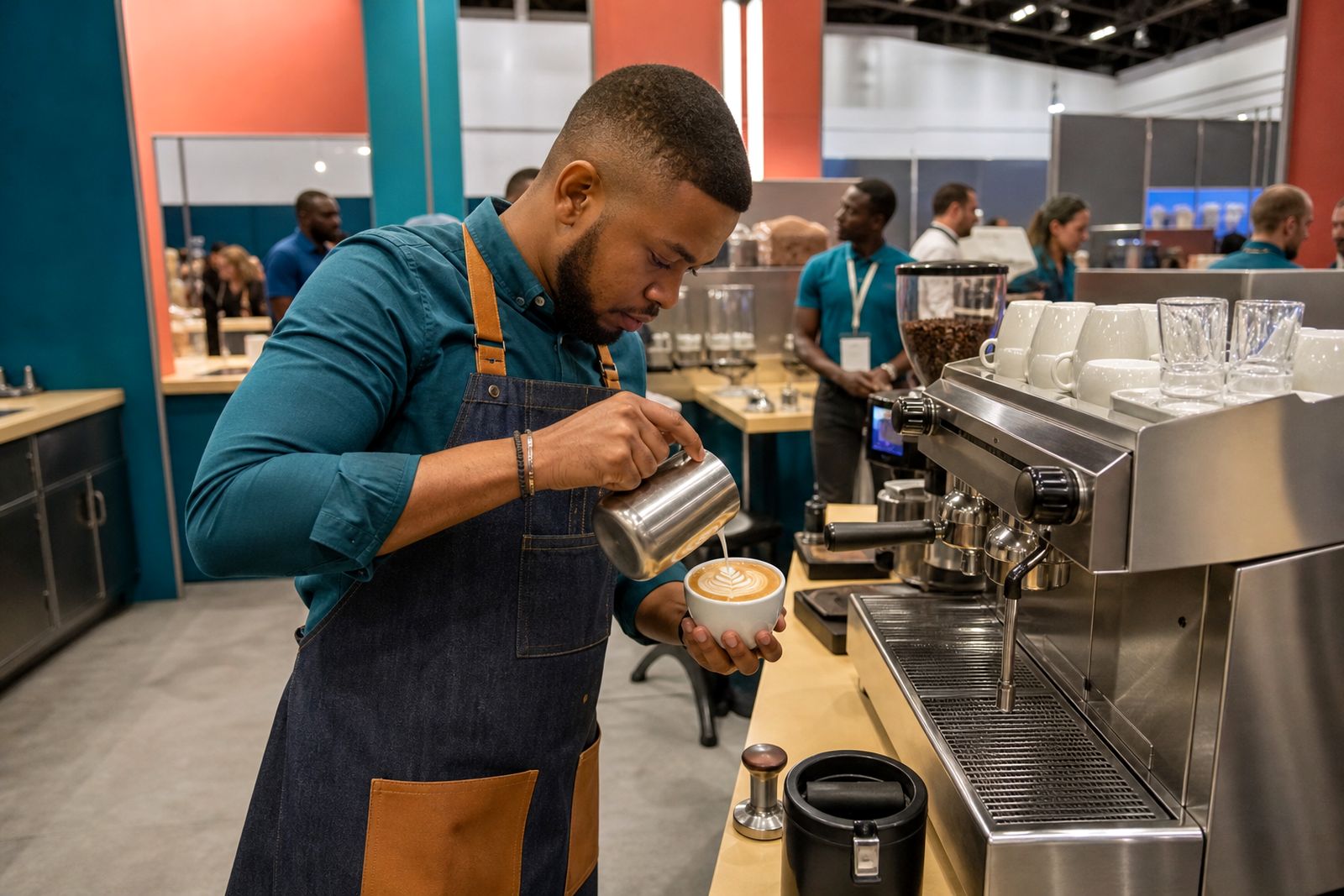
For registered visitors, the business talks form part of the show experience and are scheduled alongside the chef demos and barista arena. For speakers and session partners, inclusion means a confirmed slot, a published session title and placement within the official programme once the content has been approved by the show team.
The talks area is arranged for short attendance cycles, with clear session changes and basic presentation support. Content must stay relevant to a trade audience and cannot turn into a sales pitch. A practical case study lands better than a brochure talk, and panel sessions tend to work well where operators, consultants or systems specialists can compare methods honestly.
- Programme curation by the show team
- Session title and speaker listing in the show programme
- Moderation where needed for panel discussions
- Standard presentation screen and audio setup in the talks area
- Audience seating and access management within the venue hall plan
- Pre show coordination on titles, summaries and speaker requirements
How a session gets placed
Business talks are planned in stages so the overall programme stays balanced for different visitor groups. First, the show team maps broad subject areas such as staffing, cost control, bookings and guest service. Then proposed speakers or session partners submit a working title, a short summary and the trade role the talk is aimed at. That makes it easier to avoid overlap and to place each session where foot traffic and audience interest are likely to line up.
Once a topic is approved, the slot length, format and speaking requirements are confirmed. Some sessions suit one speaker with a few slides. Others are better as a chaired panel with two or three voices from different parts of the trade. Final running order, access details and venue notes are shared with registered participants closer to the show.
The show team also checks that each talk fits the exhibition floor rhythm. A sharp cost control session near the midday changeover can pull a different audience from an early morning discussion on room operations, so placement matters more than people think.
What speakers and session partners need to prepare
Preparation is mostly about clarity. The strongest talks start with one operating issue, show how it appears in a real business, and then give a workable method or benchmark. Generic trend language does not hold a trade room for long. South African operators want the detail: staffing ratios, stock losses, booking source mix, menu gross profit, review response handling and where systems usually fail under pressure.
- A proposed title that tells visitors exactly what the session is about
- A short summary in plain language for the programme listing
- Speaker role and business type relevant to hospitality trade visitors
- Preferred format: solo talk, panel or moderated discussion
- Presentation files if the session uses slides or on screen figures
- Any special staging or audio needs for the talks area
If you want your talk considered for the programme, send the outline through our contact form. Keep it practical and specific. A session on reducing breakfast waste in a guest house group, for example, is easier to place than a broad talk on innovation in hospitality.
How programme costs are worked out
Visitors attend the business talks as part of the registered show experience, while speaker participation and sponsored content are handled through programme planning and exhibitor or partner arrangements. Costing depends on the format, the amount of programme space taken, whether the session is editorial or commercial in nature, and what technical support is required on site.
Where a brand or service partner wants a stronger presence, pricing is usually tied to a wider expo package rather than the talk slot on its own. That may include stand space, programme mentions and related promotional items permitted by the show rules. Independent editorial sessions selected for the value of their content are assessed differently. The show team keeps the line clear between useful education and straight promotion, which helps the room stay credible.
For exhibitors looking at visibility, this means the business talks can support a stand plan but do not replace it. The expo floor is where buyers compare products and services side by side, while the talks room helps frame the operational questions behind those buying decisions.
On the day and after the session
On show days, speakers are checked into the venue according to the event access process and directed to the talks area for final technical checks. Sessions run to a set timetable because the programme has to fit around movement on the exhibition floor, demos and venue operations. Starting late affects the next slot, so presentations need to be trimmed before the hall opens if they are running long.
After the session, the value usually shifts to follow up inside the expo itself. Visitors often leave the room with a shortlist of stands to visit for booking systems, kitchen equipment, beverage products, linen or furniture, depending on the topic covered. That link between stage content and floor buying is the point of the programme.
The show team may also use session feedback when shaping future programme themes. Talks that draw good trade engagement tend to have one thing in common: they gave the room something usable by the end, not just a nice line and a screen full of slogans.
What our Hospitality customers say
Verified Google reviews
Questions we get asked
Can anyone apply to speak in the business talks programme?
Speaker proposals are reviewed for trade relevance, clarity and fit with the rest of the programme. Sessions with a practical operating angle are easier to place than general promotional talks.
Are the talks only for hotel operators?
No. The sessions are aimed at a wider hospitality trade audience, including guest houses, restaurants, caterers and multi site groups.
Do the business talks replace an exhibition stand?
No. A talk can support your presence at the expo, but the exhibition floor is still where buyers compare products, services and systems in person.
Tell us about the job
Send sizes, materials and where you are through our contact form, and we will come back with the practical options.
Open the contact form